The non-refundable deposits didn’t matter. The $5,000 venue fee? Gone. The caterer, the photographer, the custom-altered dress hanging in the guest room? All of it, meaningless.
I cancelled my wedding exactly 72 hours before I was supposed to walk down the aisle.
It wasn’t because I found lipstick on his collar. It wasn’t because he hit me. It wasn’t a sudden case of “cold feet.”
I walked away because I heard a conversation that wasn’t meant for my ears—but was entirely about the destruction of my soul.
I was 32 years old. We had been together for six years. By all modern American standards, we were the “power couple.” I worked a high-pressure corporate job in the city, I paid my own mortgage before I met him, and I never asked him for a dime.
Everything was ready. The rustic barn venue was booked, the RSVP list was finalized, and family members were already flying in from across the country.
My fiancé, let’s call him Mark, wasn’t a “bad guy.” In fact, if you asked anyone in our circle, they’d tell you he was the salt of the earth. Hardworking, mid-western values, steady, zero drama. He was the guy who helped your dad move a couch or fixed your flat tire in the rain.
But there was always a shadow looming over us, a shadow I tried desperately to ignore: The Family.
Mark came from a very traditional, tight-knit clan. His mother and sister had an opinion on everything I did. They critiqued my pantsuits (“too masculine”), my laugh (“too loud”), my choice to delay having kids (“selfish”), and my career (“distracting”).
Every time I brought this up to Mark, he would shrug it off with that easy-going smile. “Babe, that’s just how they are. They’re old school. Don’t take it so personally. They just want us to be happy.”
He never defended me. Not really. He just played the peacemaker. I told myself this was maturity. I told myself that marriage requires compromise. I convinced myself that once the ring was on my finger, the criticism would stop because I would finally be “family.”
I was wrong.
Three days before the big day, I drove over to his parents’ house. I needed to pick up a box of vintage table runners his mother had insisted we use. I didn’t call ahead; I had a key. It was supposed to be a quick in-and-out.
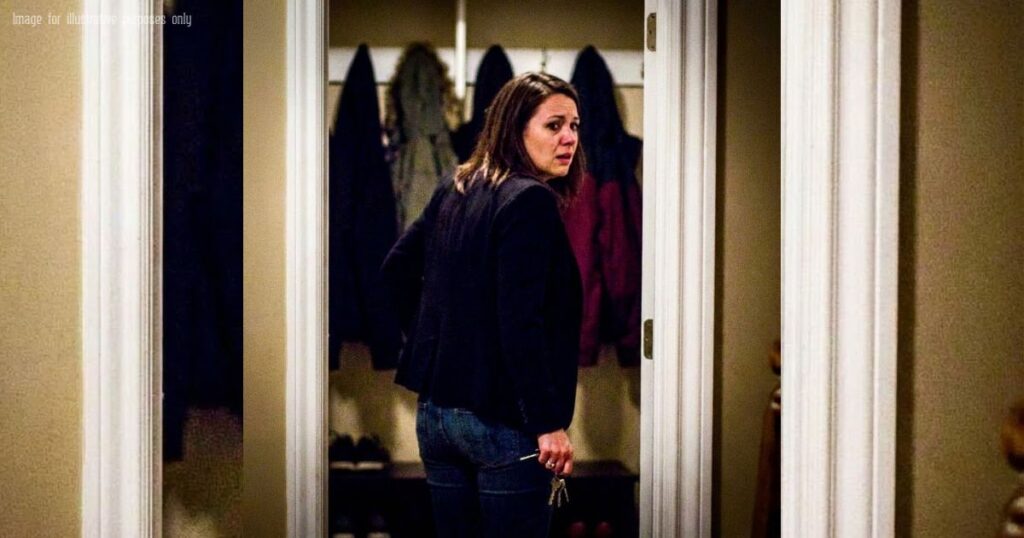
When I walked into the mudroom, I heard voices drifting from the kitchen. They were laughing. I paused, smiling, thinking about popping in to say hello.
Then I heard my name.
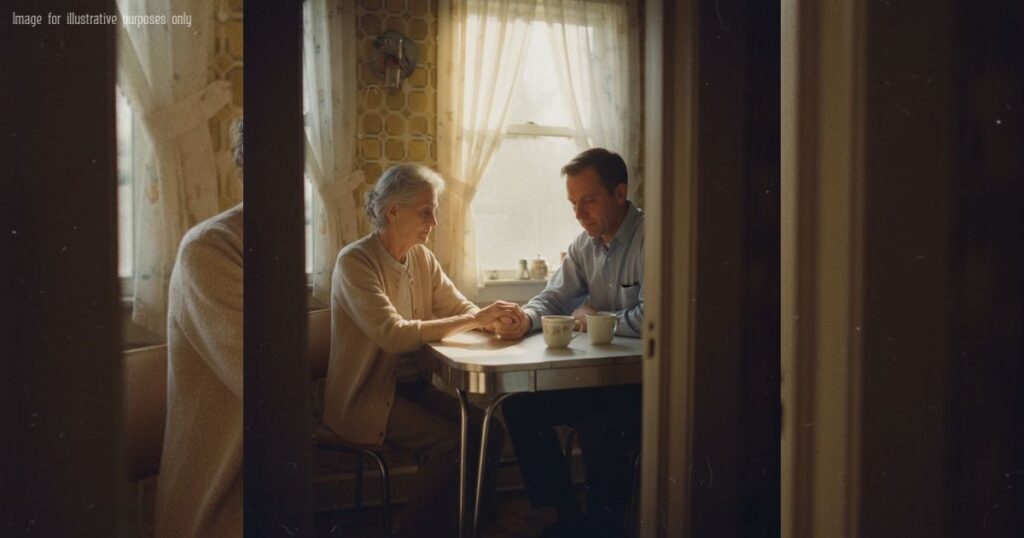
“She’s just so… exhausting,” his mother sighed. The sound of silverware clinking against china followed. “Always has to be right. Always has to lead. I don’t know how you handle it, Mark. A wife shouldn’t be making you feel small.”
His sister chimed in, laughing. “She thinks she’s the CEO of this relationship. It’s embarrassing, honestly. She needs to be taken down a peg.”
My heart hammered against my ribs. I waited for Mark to speak. I waited for my “good man” to step up, to say, “She’s successful and I love that about her,” or “Stop talking about my future wife like that.”
Instead, I heard his voice. Calm. Calculated. Chillingly rational.
“Mom, relax,” Mark said. His tone wasn’t angry. It sounded like an architect explaining a blueprint. “You’re looking at it all wrong. Right now, she feels secure. She feels like she’s in charge because I let her be. But the wedding changes the dynamic.”
He paused. I could hear him taking a sip of his drink.
“Once we’re married, the leverage shifts,” he continued. “She’ll calm down. The legal binding, the kids… it boxes her in. She’s fighting for independence now because she thinks she has to. But give it six months of marriage. She’ll fall in line. I’m playing the long game here. She’s a project, not a problem. We’ll fix the attitude once the ring is permanent.”
“We’ll fix the attitude.” “A project.”
I stood frozen in the hallway. My keys dug into my palm.
He didn’t sound like a monster. He sounded like a man discussing a home renovation. He sounded patient. He sounded like he was waiting for a trap to snap shut so he could finally begin the work of dismantling my personality.
I realized then that his passivity over the last six years wasn’t maturity. It was patience. He wasn’t accepting me for who I was; he was enduring me until he owned me.
I didn’t storm into the kitchen. I didn’t scream. I didn’t flip a table. I turned around, walked out the door, and got back into my car.
I drove for two hours with the radio off. I didn’t cry. I felt a cold clarity washing over me, sharper than grief.
I didn’t sleep that night. By sunrise, I knew what I had to do.
The next morning—48 hours before the ceremony—I started making the calls. I cancelled the venue. I cancelled the photographer. I cancelled the honeymoon tickets to Hawaii. I emailed the guests.
When Mark came home that evening, the house was filled with boxes. I had packed his things. I had packed mine.
He looked at me, confused, a half-smile on his face. “Babe? What’s going on? Is this a joke?”
I didn’t give him a speech. I didn’t yell. I handed him a single piece of paper where I had written one sentence:
“I will not marry a man who views my identity as a temporary inconvenience to be corrected.”
The color drained from his face. He knew. He didn’t ask how I knew; he just knew.
The aftermath was brutal.
He called me fifty times a day. He left voicemails ranging from sobbing apologies to angry accusations. He told me I was having a mental breakdown. He told me I was throwing away a “perfect life” over a “misunderstanding.” He told me that men talk like that to appease their mothers, that he didn’t mean it.
His family was worse. They smeared me all over social media. “She’s unstable.” “She left him at the altar.” “She’s immature and selfish.” “She wasted thousands of dollars just to make a scene.”
They tried to make me the villain of the story. They tried to bill me for the lost deposits.
For months, I questioned myself. Was I too harsh? Did I overreact to one conversation? Everyone has vented about their partner, right?
But then I would remember his tone. The calm, strategic confidence of a man waiting for a wild animal to walk into a cage.
It has been a year since that day.
I am single. I lost a lot of money. I lost mutual friends who took his side. I spent my Saturday nights alone while he likely moved on to someone “easier.”
But I realized something essential that I want every woman, every person, to understand:
Not all betrayals involve a hotel room and a secret lover.
Some betrayals are quieter. Some betrayals are plans for a future where you no longer exist as you are. Some betrayals are a partner looking at your bright, loud, ambitious spirit and thinking, “I can dim that light once I have the dimmer switch in my hand.”
I didn’t just walk away from a wedding. I refused to disappear. I refused to slowly fade into a version of myself that was smaller, quieter, and more “manageable” just to make a man feel like a king.
I am still loud. I am still ambitious. And I am still free.
And that? That is worth every single penny of that non-refundable deposit.
—
PART 2 — The Day the “Good Guy” Tried to Finish the Job
If you read Part 1, you already know I didn’t just cancel a wedding—I escaped a plan.
But what no one tells you is this: when you step out of someone’s cage, the person who built it doesn’t clap.
They panic.
And they start trying to drag you back in—quietly, strategically, with a smile.
The first week after I called it off, I moved like a ghost through my own house.
Boxes everywhere. Half-empty closets. The dress still hanging in the guest room like a dare.
It was strange how fast a “future” can become clutter.
Click the button below to read the next part of the story.⏬⏬