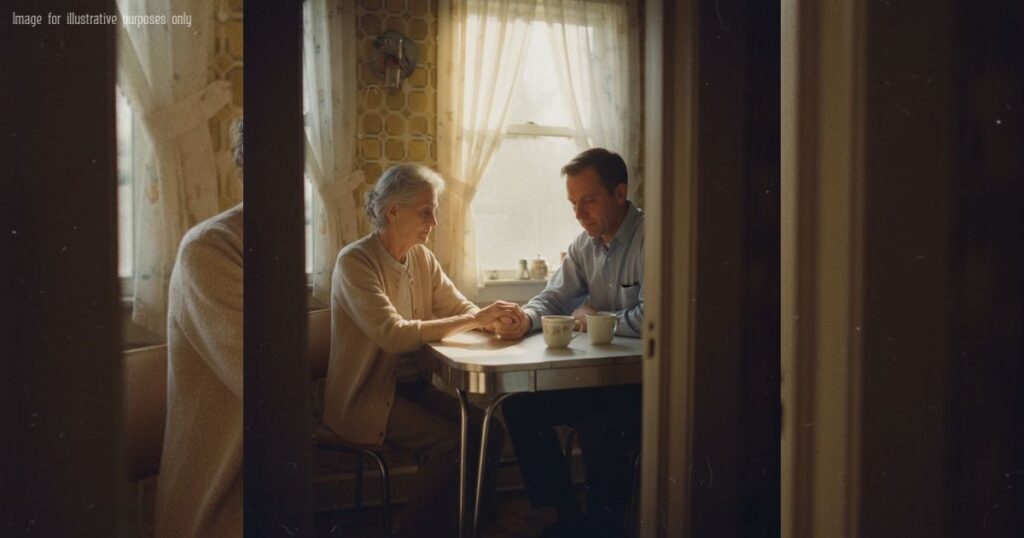
“Dear Mrs. H,
My daughter told me you made the boy stop. She said you told the class, ‘In this room, we protect each other.’
I know things have been hard. I just wanted you to know that in our house, you will always be the teacher who made our girl feel safe.
Thank you for standing between her and the world, even when no one clapped for you.”
I cried harder reading that than I did reading the comments about me “quitting” on kids.
Because that’s what teaching is supposed to be. Standing between children and the worst of the world until they’re strong enough to stand on their own.
But somewhere along the way, we turned teachers into customer service reps and children into “clients.”
We tell teachers, “Don’t you dare raise your voice, don’t you dare touch a shoulder, don’t you dare make a mistake. You are one recorded moment away from losing your career.”
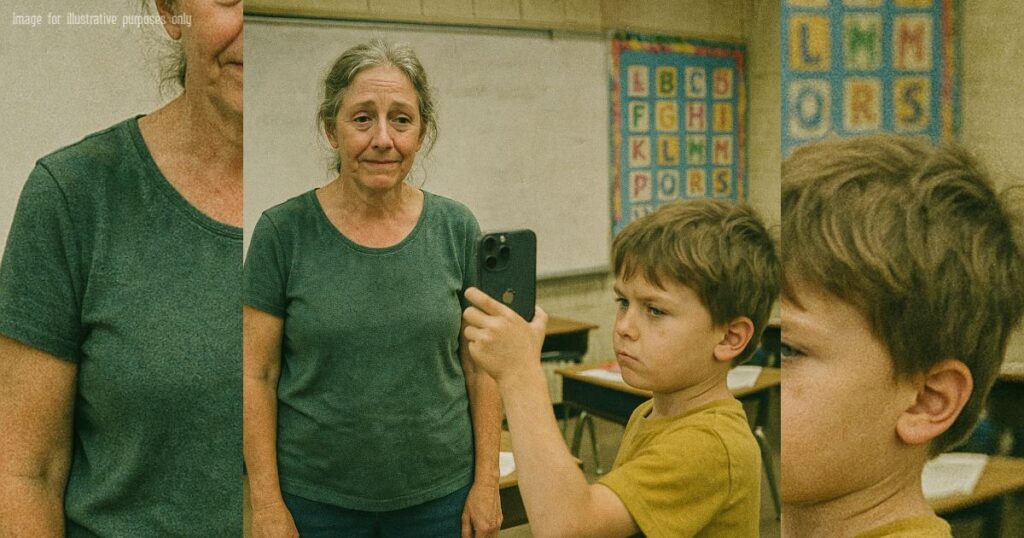
We tell children, “If you don’t like what a teacher says, post about them. Film them. Humiliate them. Adults are content now.”
Then we wonder why nobody wants to stand at the front of the room anymore.
If you want something to argue about in the comments, argue about this:
In our rush to “protect” children from uncomfortable feelings, we have forgotten that discomfort is how they learn self-control, empathy, and responsibility.
I am not talking about abuse. Abuse is wrong. Always.
I am talking about the ordinary discomfort of being told “no,” of losing a privilege, of having to apologize, of facing the consequences of their choices.
We’ve blurred the line between “My child is unsafe” and “My child is unhappy.”
One of those calls for immediate action.
The other calls for patience, love, and sometimes the courage to let them be uncomfortable so they can grow.
Teachers used to be allowed to make children uncomfortable in the name of growth.
“Say you’re sorry.”
“Try again.”
“No, you may not talk to your friend while I’m teaching.”
“You didn’t do the work, so you didn’t earn the reward.”
Now those simple sentences can mean a complaint email, a meeting with three administrators, and a note in a personnel file that follows you for years.
So yes, some teachers have gotten defensive.
Some have hardened.
Some have given up.
But I need you to hear this: most of the teachers you see dragging themselves into that building every morning still care more about your child than about their own reputation.
We stay late. We buy snacks. We go to the school play when we’re not required to. We keep extra jackets for the kids who don’t have them. We notice bruises and quiet voices and the smell of unwashed clothes, and we file reports and lose sleep and hope we’re wrong.
You don’t read about those things in the comments section.
You read about the video of the one teacher who lost their temper. The one teacher who handled something poorly. The one moment caught at a bad angle, without sound, without context.
I am not saying teachers never make mistakes. We do. I did. I have said the wrong thing. I have missed a child’s quiet cry for help. I have let my own stress leak into my voice.
But here’s my question—for parents, for communities, for anyone who read my first story and thought, “This is why schools are broken”:
If we keep treating teachers as the enemy, who exactly do you plan to trust with your children for seven hours a day?
The internet?
The algorithm?
Whatever video auto-plays next?
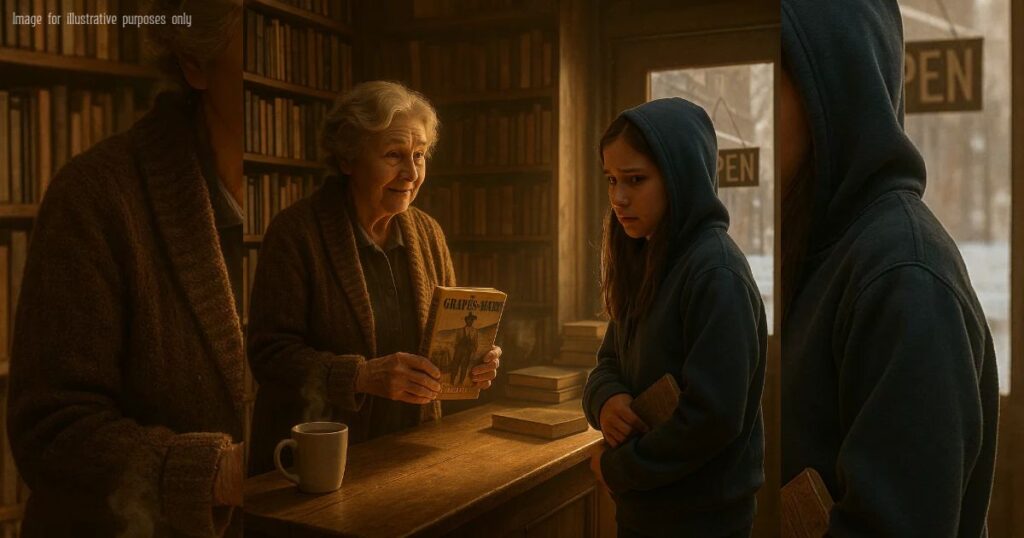
What happens when the last Mrs. Halloway packs up her room and goes to work at a bookstore because, frankly, paperbacks don’t threaten lawsuits?
Here is my unpolished, very human opinion—the one that will probably light up another comment section:
We don’t fix education with another app, another test, another slogan on the district website.
We fix it at kitchen tables.
With parents who say, “If you’re rude to your teacher, there will be consequences at home.”
With adults who put phones in drawers during dinner and ask, “What was the hardest part of your day?” and then actually listen.
With communities that show up to school board meetings not just when they’re angry, but when they’re grateful.
With principals who walk into classrooms and say, “What do you need to keep doing this for five more years?” instead of only asking, “How did your scores compare?”
With teachers who are humble enough to say, “I was wrong about your child. Let’s start over,” and parents brave enough to say, “So was I.”
That’s not dramatic. It’s not the stuff of viral videos. It’s small, unglamorous, and nobody claps.
But I am telling you, after nearly four decades with a whiteboard marker in my hand: that is where the real change happens.
I’m sitting in my quiet house as I write this, surrounded by boxes I haven’t unpacked yet because I am still grieving a room that was never technically mine.
On my kitchen table lies a faded construction paper heart from 1993. On it, in shaky handwriting, are the words:
“Thank you for making me believe I’m not dumb.”
His test scores never made it into a headline.
But that heart did more for my career than any evaluation I ever received.
So here is my final homework assignment—for you, not for your child.
Tonight, send one message to a teacher. Any teacher. Your child’s current teacher. An old teacher you haven’t spoken to in years. The teacher who taught you how to love books or who saw past your teenage attitude or who let you retake a test when life at home was falling apart.
It doesn’t have to be long. Just: “I remember. Thank you.”
And the next time your child comes home and says, “My teacher is so mean,” I’m asking you—begging you—not to open the camera app first.
Ask questions instead.
“What happened before that?”
“Could there be another side?”
“Do you think you played any part in what happened?”
You might not like the answers. Your child definitely won’t. That’s okay.
Growth rarely feels good at the moment.
But one day, years from now, your child might sit at their own kitchen table, look back on their time in school, and instead of remembering a world that treated teachers like punching bags, they’ll remember adults who stood together.
Parents and teachers on the same side of the desk.
If Part One was my goodbye to the classroom, let Part Two be my invitation—to do better by the people still standing in front of the whiteboards, and by the little hands clutching backpacks that are too big for their shoulders.
You don’t have to agree with me. You’re allowed to be angry. You’re allowed to argue in the comments.
But while we argue, there are kids waking up tomorrow who still need someone to unlock the door, to stand in the doorway, and to say:
“Good morning. I’m glad you’re here. Let’s try again.”
Thank you so much for reading this story!
I’d really love to hear your comments and thoughts about this story — your feedback is truly valuable and helps us a lot.
Please leave a comment and share this Facebook post to support the author. Every reaction and review makes a big difference!
This story is a work of fiction created for entertainment and inspirational purposes. While it may draw on real-world themes, all characters, names, and events are imagined. Any resemblance to actual people or situations is purely coincidenta