Around noon, there was a knock at my door.
I opened it and found Marcus standing there, eyes wide like he’d walked into a storm.
“Ms. El,” he breathed. “What did you do?”
“I told the truth,” I said.
His throat bobbed.
“You didn’t have to,” he whispered. “They’re tearing you up in there.”
“I’ve survived teenagers and cancer,” I said. “A comments section doesn’t scare me.”
He tried to laugh, but it came out strained.
“I don’t want you dragged into my mess,” he said.
I stepped closer.
“Marcus,” I said gently. “This isn’t your mess. It’s ours. It’s the mess we make when we teach each other to fear what we don’t understand.”
He looked down, blinking hard.
Then he said something I’ll never forget.
“People don’t know what it feels like,” he said, voice thick, “to do the right thing and still be treated like you’re guilty.”
I wanted to hug him. I wanted to wrap him in every apology the world owed him.
But I also wanted him to see something else.
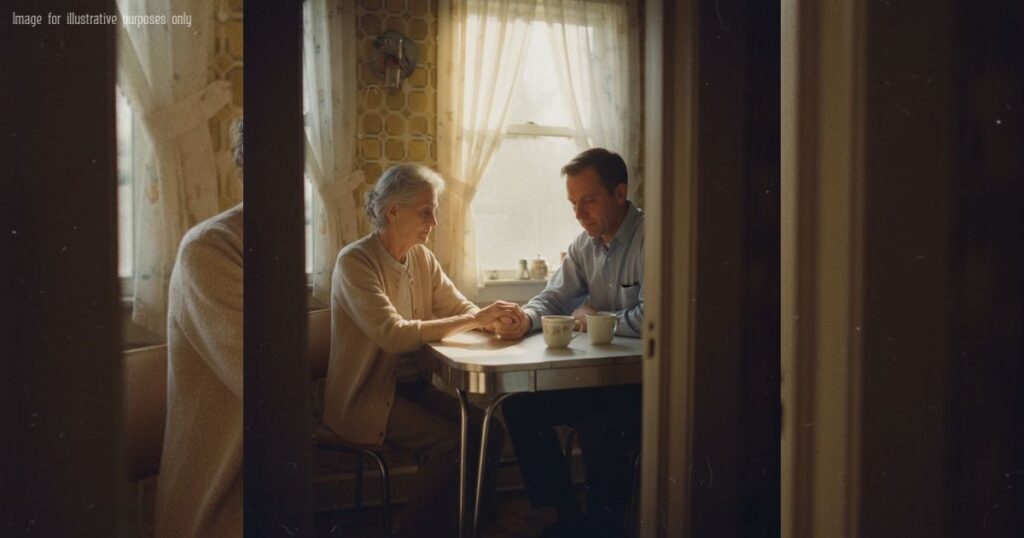
So I took him to my kitchen table and opened my old teacher notebook—the one where I still scribble thoughts like I’m preparing lessons for a class that doesn’t exist anymore.
“Sit,” I said. “We’re going to do what I did for forty years.”
He frowned. “What?”
“We’re going to turn pain into purpose,” I said. “Because if they’re going to talk anyway, we might as well make the conversation worth having.”
That’s how the “Ride Circle” started.
Not a charity with a fancy name. Not a nonprofit with a board. Nothing official enough to invite lawsuits or drama.
Just a list.
A simple network of neighbors willing to drive people to medical appointments—quietly, safely, with boundaries and common sense.
Marcus helped me set it up. He insisted on safety rules: two-contact check-ins, scheduled pickups, never handling money, never being alone in a home, always logged rides.
He was more responsible than half the adults who were “warning” me.
Within a week, we had fifteen volunteers.
Within two weeks, thirty.
And yes—people argued about it the whole time.
Some said it was beautiful.
Some said it was dangerous.
Some said it would be abused.
Some said it should never have been necessary.
That last group was the one that mattered most to me.
Because they were finally asking the right question.
Not “Is Marcus safe?”
But “Why are people like Eleanor left to struggle at all?”
The day Marcus got his first EMT ride-along shift, he came by wearing a clean shirt and that bright orange jacket again.
He looked like a young man trying to step into a future that kept testing him.
“I’m nervous,” he admitted.
I smiled. “Good. Nervous means you care.”
He hesitated at the door.
“Ms. El,” he said, “you think… people will ever stop seeing me like that?”
I thought about history. About how slow change is. About how stubborn fear can be.
Then I told him the truth—the kind that holds hope without lying.
“Some won’t,” I said. “But the point isn’t to win over everyone. The point is to make it harder for fear to be the loudest voice in the room.”
He nodded, eyes shining.
And before he left, he did something that made me laugh through my own tears.
He pulled his headphones from his pocket and placed them gently on my kitchen table like an offering.
“For when you miss me,” he said, embarrassed. “So your house don’t feel so quiet.”
After he drove away, I stared at those headphones for a long time.
Then I opened the community page again.
The arguments were still going. They always will.
But mixed in with the noise were messages from people who needed rides. People who had been too ashamed to ask before. People who had been skipping appointments because they didn’t want to be “a bother.”
And that’s when it hit me—harder than chemo ever did:
Pride doesn’t just hurt the proud.
It isolates the vulnerable.
And fear doesn’t just protect anyone.
It punishes the brave.
So here’s my controversial question for you—because I know you’ll have opinions, and frankly, I want to hear them:
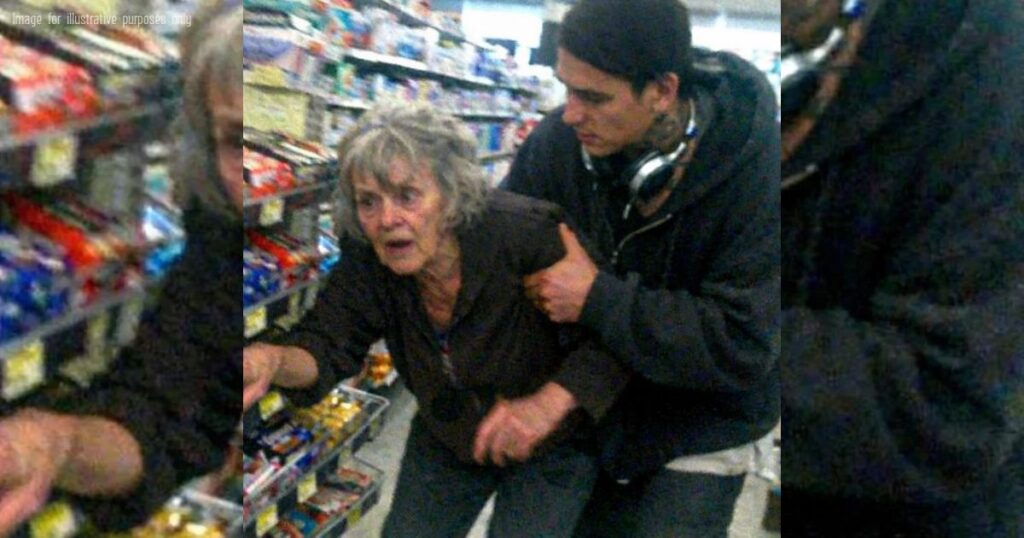
If your grandmother collapsed in public, would you trust help if it came from someone who didn’t look “safe” to you?
And another:
Should basic survival—rides to treatment, help when you’re sick—depend on luck and strangers being unusually kind… or should communities build that safety net on purpose?
Because I’m alive.
Marcus is becoming the person who shows up.
And the only thing standing between a kinder world and the one we have now…
is what we decide to believe about each other when nobody’s watching.
Thank you so much for reading this story!
I’d really love to hear your comments and thoughts about this story — your feedback is truly valuable and helps us a lot.
Please leave a comment and share this Facebook post to support the author. Every reaction and review makes a big difference!
This story is a work of fiction created for entertainment and inspirational purposes. While it may draw on real-world themes, all characters, names, and events are imagined. Any resemblance to actual people or situations is purely coincidenta