If you read the first part of my story, you already know I “lost” a few hundred gallons of propane last winter and called it mercy, not theft. What came next is the part nobody puts in the heartwarming posts.
I never meant for any of it to end up online.
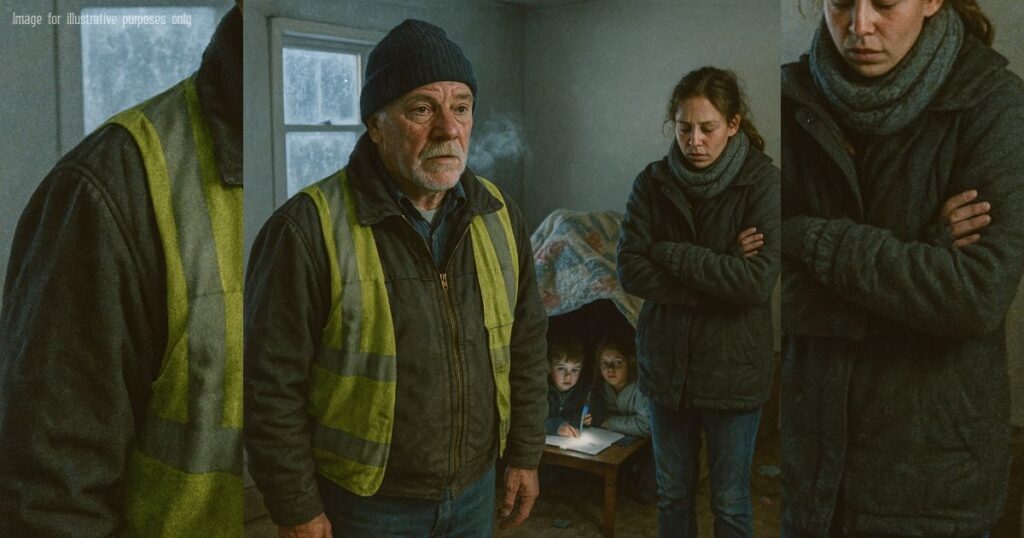
To me, it was just something an old man did on a frozen Tuesday because he couldn’t stand the sound of a quiet furnace and a child’s teeth chattering.
But stories don’t stay small anymore.
One of our younger drivers, Tyler, heard me telling the guys in the break room about the Good Neighbor Fund. He asked if he could share it on his personal page, “just to show people something good still happens in this world.” I shrugged and said sure, as long as he didn’t use the company name.
He wrote a long post about “an old propane driver who broke the rules so a family wouldn’t freeze.”
He talked about Mrs. Jenkins, the vet with the pennies on his table, and the fund that grew out of it. He never called me by name, but he didn’t have to.
Within two days, the post had thousands of shares.
People called me a hero.
People called me a criminal.
Somebody commented, “If that were my company, I’d fire him on the spot. Stealing is stealing.”
Right under it, someone else wrote, “If you’d rather protect profit margins than children, you’re the problem.”
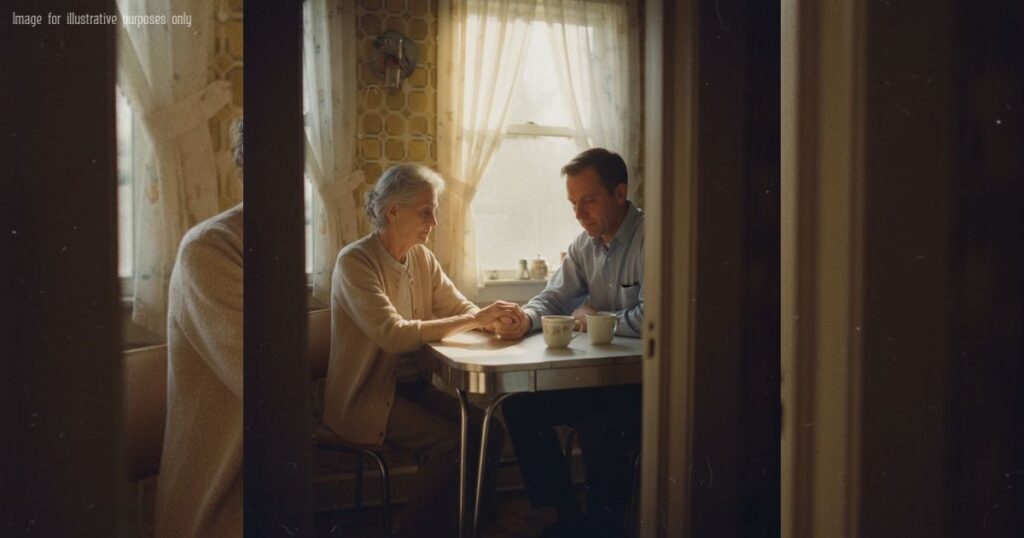
I sat at my kitchen table with my old laptop, scrolling through the comments with my coffee going cold.
I watched strangers argue about my life, my choices, my job, like it was a TV show and not something I thought about at 3 a.m.
One woman wrote, “My mom died of hypothermia in her own home after a power shutoff. That driver did what ours didn’t.”
Another said, “I grew up poor. Help is good. But where do you draw the line? My husband works overtime to pay our bills. Why should he subsidize people who don’t budget?”
They weren’t talking to me, but every word landed.
At the office, things got complicated.
Mike called a meeting in the tiny conference room that always smells like burnt coffee and printer ink. He was there, along with the regional manager over him and a nice, nervous guy from “corporate communications” who looked like he’d rather be anywhere else.
The regional manager slid a printout across the table.
Tyler’s post. My story. The comment section—highlighted and underlined.
“Congratulations, Hank,” he said, trying to make it a joke. “You’ve gone viral.”
I chuckled politely, but my stomach felt like a block of ice.
Viral is great for cat videos. For a man who falsified tickets, it’s something else.
“We’ve had calls,” the communications guy said. “Some customers want to donate. Some want to know if their fuel costs are higher because of this fund. A few said they’ll switch providers if we’re ‘giving handouts.’”
He wasn’t mean about it. Just matter-of-fact.
Money in, money out. Every decision has a reaction now measured in shares and screenshots.
Then he looked at me.
“Did you really do all this?” he asked. “The… uh… ‘calibration errors’ and ‘driver mistakes’?”
“Yes,” I said. “Every gallon. Every signature. I own it.”
He nodded slowly.
“I’m not here to judge you,” he said. “But the internet already is. And they’re dragging us into it, whether we like it or not.”
Mike cleared his throat.
“We started the Good Neighbor Fund so we could help people without breaking rules,” he said. “And it’s working. We’ve kept a lot of folks safe. But the attention means we have to be more deliberate about how we do this.”
That’s when the regional guy laid out the numbers.
“We’ve raised enough to help dozens of households,” he said. “But we now have three times more applications than we have funds. People heard about the program and started calling. Church groups, social workers, neighbors. Some are desperate. Some… we’re not sure.”
That phrase hung in the air.
We’re not sure.
“What do you mean?” I asked.
He sighed and opened a folder.
“There’s a family asking for emergency fuel who just bought a brand-new gaming console,” he said. “Another household has more vehicles than most small businesses. One applicant has an unpaid fuel balance from another provider where they walked away from their bill.”
I felt my cheeks burn.
I hate that conversation—who deserves help, who doesn’t.
“Poor people have televisions,” I said. “Sometimes a nice one is the last thing they bought before everything fell apart. You can’t always judge by what’s in the living room.”
“I know,” he said. “I’m not saying we turn them away automatically. I’m saying the fund is limited. Every gallon for someone is a gallon not available for someone else. We have to make choices. And now the entire internet wants to grade those choices.”
We sat there in silence for a moment.
Just four people in a small room, trying to decide who gets to be warm.
A few weeks later, I met one of those “questionable” families myself.
The ticket said “Emergency Assistance – Good Neighbor Fund.” The address was a newer subdivision, not the usual rural farmhouse or small-town bungalow. The house was tidy, with a late-model truck in the driveway and inflatable decorations still deflating on the lawn from a recent holiday.
I’ll be honest. My first thought was, This doesn’t look like Mrs. Jenkins’ place.
A man in his thirties opened the door. He had tattoos, a ball cap, and a tiredness in his eyes I recognized from the mirror.
“Hey,” he said. “You must be Hank. They told me about you.”
He stepped aside so I could see into the living room.
Two kids were sitting on the floor in front of a big-screen TV, but the screen was frozen. A “no signal” message blinked, like even the electronics had given up.
Beside the TV was a cardboard box filled with things that looked ready for a pawn shop—gaming console, sound bar, a stack of DVDs no one buys anymore.
“I’m listing all of it online,” he said quietly, seeing where I was looking. “We bought some of that stuff back when we both had jobs. Now it’s either sell it or freeze. Judge me if you want, but I’m trying.”
I felt that.
“Nobody’s here to judge you,” I said. “I just deliver the fuel.”
He gave a short laugh.
“That’s not true anymore, is it?” he asked. “Ever since that story went around, feels like people want to decide who’s ‘deserving.’ I see the comments. ‘If you can’t afford heat, why do you have tattoos?’ Like I got this ink this morning instead of paying my bill.”
Click the button below to read the next part of the story.⏬⏬