If you read my first letter and thought, “Well, that’s sad, but that’s just how life is,” this part is for you.
Because after I hit “post,” something happened I didn’t expect.
The story of an old medic quietly retiring should have sunk like a stone. Instead, it spread.
A co-worker’s kid showed it to me on their phone the next day. Thousands of shares. Tens of thousands of comments.
Some of you called me a hero.
Some of you called me dramatic, entitled, and “part of what’s wrong with this country.”
I read more of those comments than I should have.
“Stop whining. You chose that job.”
“If you hate the public so much, maybe it’s good you’re retiring.”
“Must be nice to live off my tax dollars.”
“That trauma stuff is overblown. Everyone’s stressed.”
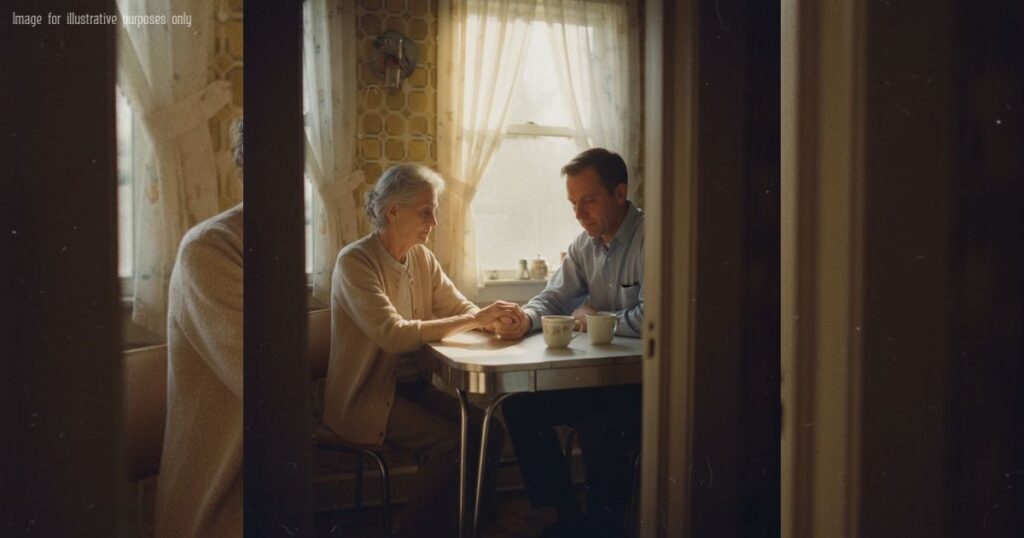
I sat at my kitchen table with my reading glasses halfway down my nose, scrolling until the letters blurred.
My wife took the phone out of my hand and set it face-down.
“You knew this would happen,” she said. “People hear what they’re ready to hear.”
Here’s the controversial part, I guess:
If that first letter hurt your feelings, it might be because deep down, you know we’re not just talking about paramedics.
We’re talking about how this country treats anyone whose job runs on compassion instead of commission.
Teachers. Nurses. Aides in long-term care. The clerk who works the night shift at the gas station. The guy who plows your street at 3 A.M. so you can make it to your morning gym class.
We’re all “heroes” when it makes a nice slogan.
We’re “leeches” when the bill comes due.
One comment stuck with me. It said:
“If it’s that bad, why don’t you all just quit?”
I’m going to answer that, and you might not like the answer.
We don’t quit… because we know exactly what happens to your family if we do.
I remember a winter night about seven years ago. Roads like glass. Pileups everywhere. We’d been running calls for fifteen hours straight. We were out of coffee, out of patience, and running on fumes.
We got toned out for “elderly male, difficulty breathing.”
We could have refused it. We were technically out of service. The nearest crew was twenty minutes away on a good day, and this wasn’t a good day.
My partner looked at me. I looked at him. No words. We both knew.
We took it.
We slid through two intersections. We dug the rig out of a snowbank with our own hands. We carried our gear up three flights of stairs because the elevator was older than both of us and stuck on the first floor.
Inside that tiny apartment was a man in his eighties, sitting upright in a recliner, lips blue, chest heaving. His wife was in a housecoat and slippers, clutching the phone like a life raft.
We treated him, stabilized him, got him to the hospital. He survived that night.
When we wheeled him through the ER doors, the wife grabbed my coat sleeve.
“Thank you,” she whispered. “You came. I didn’t think anyone would.”
That’s why we don’t quit.
And that’s also why I’m angry.
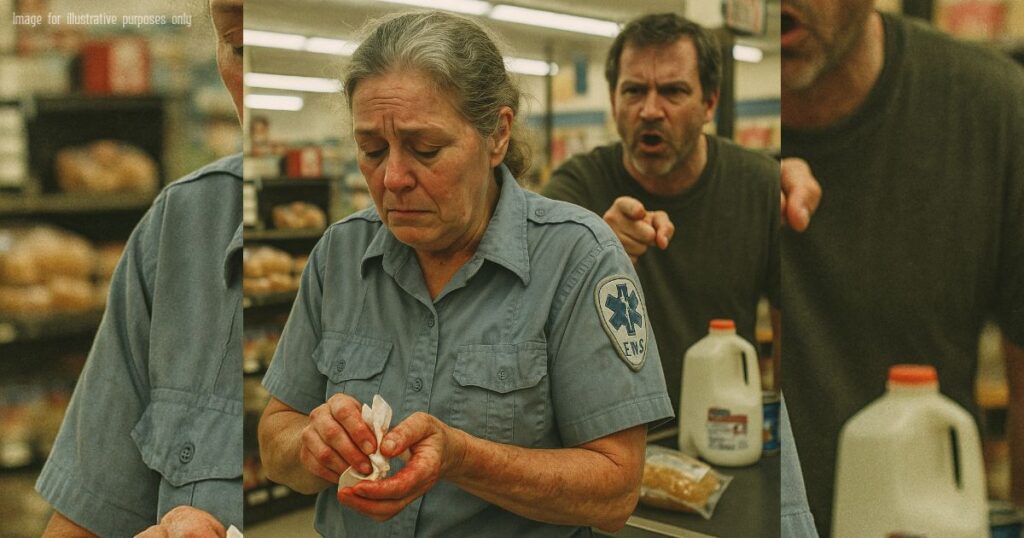
Because while we’re breaking ourselves to keep showing up, there are people who treat 911 like a customer service line.
You want controversy? Here it is:
If you call an ambulance because your takeout is late and you “feel stressed,” you are part of the problem.
If you scream at medics because they parked in front of your driveway during a cardiac arrest, you are part of the problem.
If your first instinct when there’s a crash is to pull out your phone and record instead of asking, “Do you need help?”
You are part of the problem.
I can already hear the comments:
“It’s our right to record in public.”
“Emergency workers should be held accountable.”
“If they can’t handle criticism, they should choose another career.”
You’re not entirely wrong. Cameras have uncovered real abuse in many fields. Accountability matters. Bad medics exist, just like bad employees exist in every line of work. I’m not asking you to worship us.
I’m asking you to remember we’re people before you turn us into content.
I once did CPR on a teenager in the middle of a parking lot under fluorescent lights that hummed like angry bees.
His friends stood around sobbing. Car doors were open, music still playing on someone’s speaker. Fast, upbeat, completely wrong for the moment.
While I counted compressions, I felt it: that prickle on the back of my neck. I looked up for a split second.
Half a dozen phones, pointed at us.
Not because they thought they’d need the video for a report.
Not because someone was documenting for the family.
Just because this was the most dramatic thing they’d ever seen in real life.
Later that night, I sat in the station staring at the wall, wondering if I was going to see myself on someone’s feed with a caption like, “Ambulance took forever” or “Look how old this guy is, hope he knows what he’s doing.”
That’s what this new generation of medics is walking into. Not just danger. Not just loss. Not just low pay.
Spectators.
I’m not saying never record. I’m saying ask yourself a question first:
“Am I filming to help… or to entertain myself?”
If that feels uncomfortable, good. It should.
Another common comment on my letter went like this:
“I pay taxes. That makes you my employee. You should be grateful to serve.”
Click the button below to read the next part of the story.⏬⏬